Yes.
And no.
Mostly no.
One of the funny things about helping people relocate to Dallas-Fort Worth is discovering what they think Texas looks like before they get here.
Cowboy boots.
Horses.
Cattle.
Big pieces of land.
Maybe an oil derrick in the backyard for good measure.
I understand where it comes from. Some of that stuff is absolutely real. I wear boots almost every day. There are places around DFW where you’ll see cattle on your drive home. We help people buy homes with horses, barns, workshops, and a few acres all the time.
But if you’re considering moving to Dallas-Fort Worth and picturing one giant country town, you’re going to be surprised. DFW isn’t all country. Not even close.
The Lie: Dallas-Fort Worth Is Basically Rural Texas
This lie usually comes from people who haven’t spent much time here.
They know Texas.
They know Dallas.
They know Fort Worth calls itself Cowtown.
Then their brain fills in the rest.
The problem is that Dallas-Fort Worth is enormous, and as we’ve said before,DFW isn’t remotely the same from one community to the next.
- You can live in a dense part of Dallas surrounded by apartments, restaurants, offices, and concrete.
- You can live in a traditional suburb where your house sits on a normal neighborhood lot.
- You can live in a newer master-planned community.
- You can live on an acre.
- You can live on ten.
All of those lifestyles are available to you in Dallas-Fort Worth.
So is DFW country?
Some of it is, but a lot of it is not. That’s the answer.
Remember, Dallas is the ninth-largest city in the country, and Fort Worth is on its heels as the tenth-largest. That doesn’t even factor in the thousands and thousands of people living in the other smaller (but not that small) DFW cities.
It is a long, long way from fitting the bill of a traditional rural area, but those areas are fairly accessible.
What Is Living in Dallas-Fort Worth Actually Like?
DFW is urban, suburban, and rural.
There isn’t one Dallas-Fort Worth lifestyle any more than there is one Dallas-Fort Worth housing market.
If you want city living, we’ve got it.
If you want a traditional suburban neighborhood, we’ve got a ridiculous amount of it.
If you want more room, larger lots, and a slower pace, we’ve got that too.
If your version of Texas really does involve a couple of acres, a barn, and enough room that you can’t hear your neighbor sneeze, good news. You can find that.
Buyers can still find small-acreage homes around Dallas-Fort Worth, including communities where buyers can get more land without completely disconnecting from the rest of the Metroplex.
That’s one of the things I love about living here.
You get choices.
Yes, There Is Still Country in DFW
I don’t want to overcorrect this myth.
There is absolutely a country side to Dallas-Fort Worth.
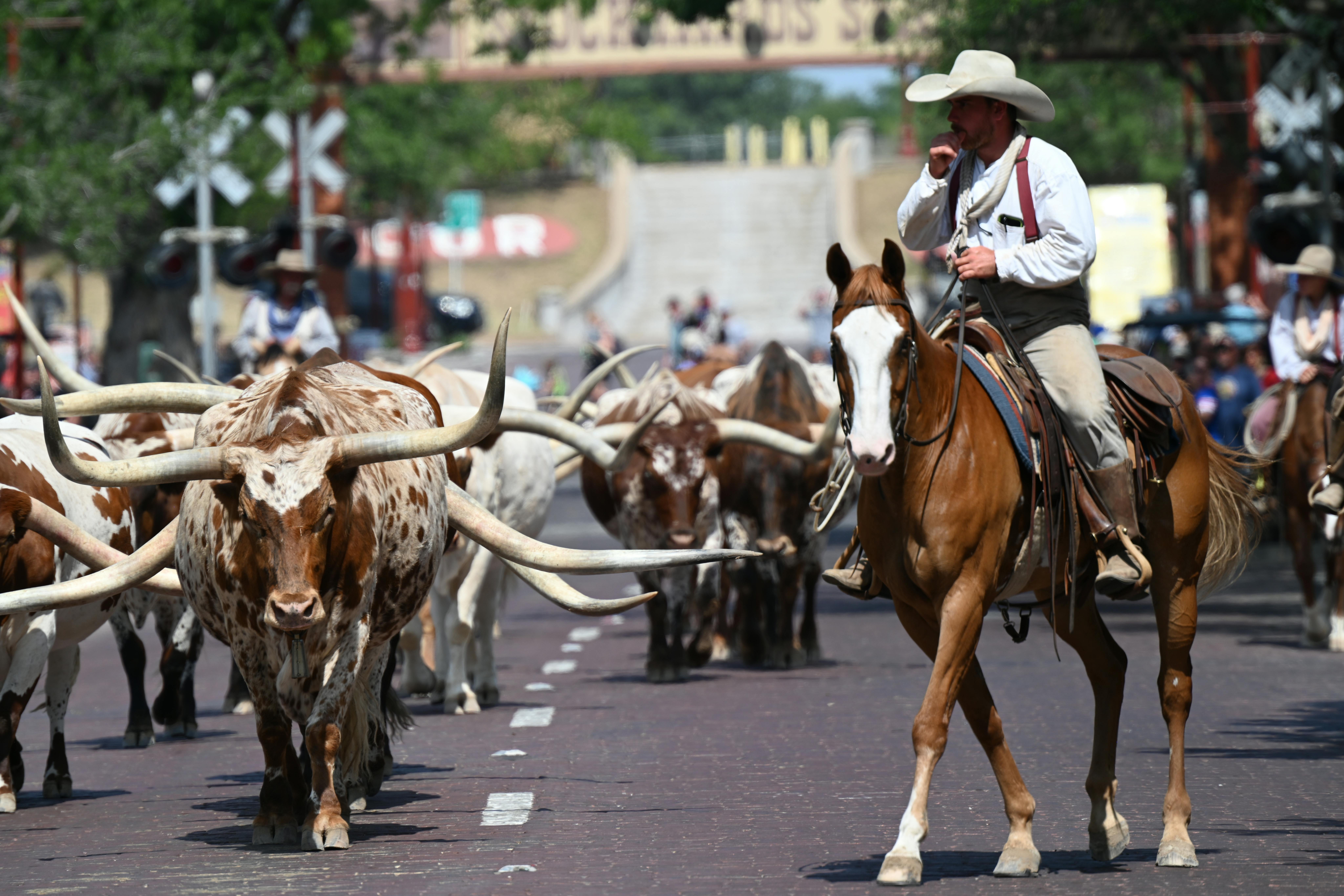
Drive toward some of the outer portions of the Metroplex, and you’ll find acreage, horse properties, barns, workshops, open land, and communities that feel dramatically different from Dallas proper. You can even go catch a cattle drive within ten minutes of Downtown Fort Worth in the Stockyards if you want a little taste of the Cowtown culture.
We’ve seen more homeowners become interested in the acreage lifestyle around DFW because they want privacy, animals, a workshop, room for their kids, or simply more space between themselves and everybody else. Plenty of people specifically want it.
But even that is changing.
DFW keeps growing outward. Places that felt way out there 15 or 20 years ago don’t necessarily feel that way anymore. The line between suburban and rural keeps moving as development pushes farther from the urban core.
That’s why somebody telling me, “We want to live in the country,” doesn’t really tell me enough.
What does country mean to you?
You May Not Need to Live as Far Out as You Think
This is where the myth becomes a real estate problem.
Some buyers assume they have two choices.
City or country.
That’s it.
So if they want land, privacy, or a little more room, they immediately push their home search an hour outside Dallas or Fort Worth.
That may be exactly where they belong, but it may not be necessary.
There are homes on land throughout DFW, including some surprising pockets of larger properties inside established cities.
You don’t necessarily have to choose between owning land and participating in the life of the Metroplex.
That’s one of the things that makes Dallas-Fort Worth great.
Maybe you want an acre but still need reasonable access to a major employment center.
Maybe you want horses but don’t want dinner to require a 45-minute expedition.
Maybe you want your kids to have room to run around outside, but you also want grocery stores, restaurants, and normal daily conveniences nearby.
Those combinations exist.
The question is where.
Don’t Move to the Texas in Your Head
This matters especially for people relocating to Dallas-Fort Worth.
Don’t buy based on your mental picture of Texas. Buy based on the life you actually want to live.
We’ve worked with enough relocating families to know how quickly assumptions can turn into bad housing decisions. Your job may bring you to DFW, but that doesn’t automatically tell you where you should live. Commute, budget, property type, space, and lifestyle all need to be considered together. That’s why relocating to Dallas for a new job requires understanding the geography before choosing the house.
Want urban?
Great.
Want suburban?
Great.
Want country?
Great.
Want something in between?
That’s probably where this gets interesting.
Dallas-Fort Worth gives you all of those choices.
The Truth About Whether DFW Is Country
Dallas-Fort Worth is not one giant cowboy town, but the cowboy boots are real.
So are the horses.
So are the skyscrapers, subdivisions, corporate campuses, restaurants, airports, apartments, townhomes, one-acre lots, and old ranch properties that somehow survived while subdivisions grew up around them.
That’s DFW.
The lie isn’t that country living exists here.
The lie is thinking that’s all there is.
If you’re buying a home here, don’t start with somebody else’s idea of what Texas is supposed to look like.
Start with the life you want.
Then find the part of DFW that gives it to you.
Frequently Asked Questions
Is Dallas-Fort Worth considered rural?
No. By population, Dallas is the ninth-largest city in the country, and Fort Worth is the tenth-largest. DFW includes major urban centers, extensive suburban development, and rural or semi-rural communities. The experience varies significantly depending on where you live.
Can you live in the country near Dallas or Fort Worth?
Yes. Buyers can find acreage and larger-lot properties throughout portions of DFW and surrounding communities, including options that maintain access to major employment centers and amenities.
Do I have to move far outside DFW to own land?
No. Acreage becomes more common as you move outward, but larger lots and small-acreage properties can also be found in established communities throughout the Metroplex.
Is Dallas more urban than Fort Worth?
Both Dallas and Fort Worth are major cities, but their neighborhoods and surrounding communities vary considerably in density, housing, and character. Neither city can be accurately described by one lifestyle.
Is DFW a good place for buyers who want both city access and more space?
Yes. One of DFW’s advantages is the range of housing environments available, from dense urban neighborhoods to suburban communities and homes on acreage.
Buying or Selling a Home in Dallas-Fort Worth?
You don’t need somebody to sell you on Dallas-Fort Worth.
You need somebody who knows it.
If you’re buying a home here, we’ll help you figure out which part of DFW actually fits the life you want. If you’re selling, we’ll help you understand the specific market your home competes in and position it accordingly.
That’s what the Todd Tramonte Home Selling Team does every day.
Don’t buy the stereotype.
Buy the right house.

