Thinking About Selling Next Year? Here’s What to Start Doing Now.
Every year, around this time, I start getting the same question:
“If I want to sell my home next year… what should I be doing now?”
And it’s a great question — because getting ahead of the game now can save you a ton of stress (and money) later.
Let’s talk about it.
You’ll Probably Say, “Why Didn’t I Do This Sooner?”
Almost every seller we work with has the same reaction once we help them get their home ready:
“Wow, I wish we’d done this a long time ago. Maybe we won’t sell after all!”
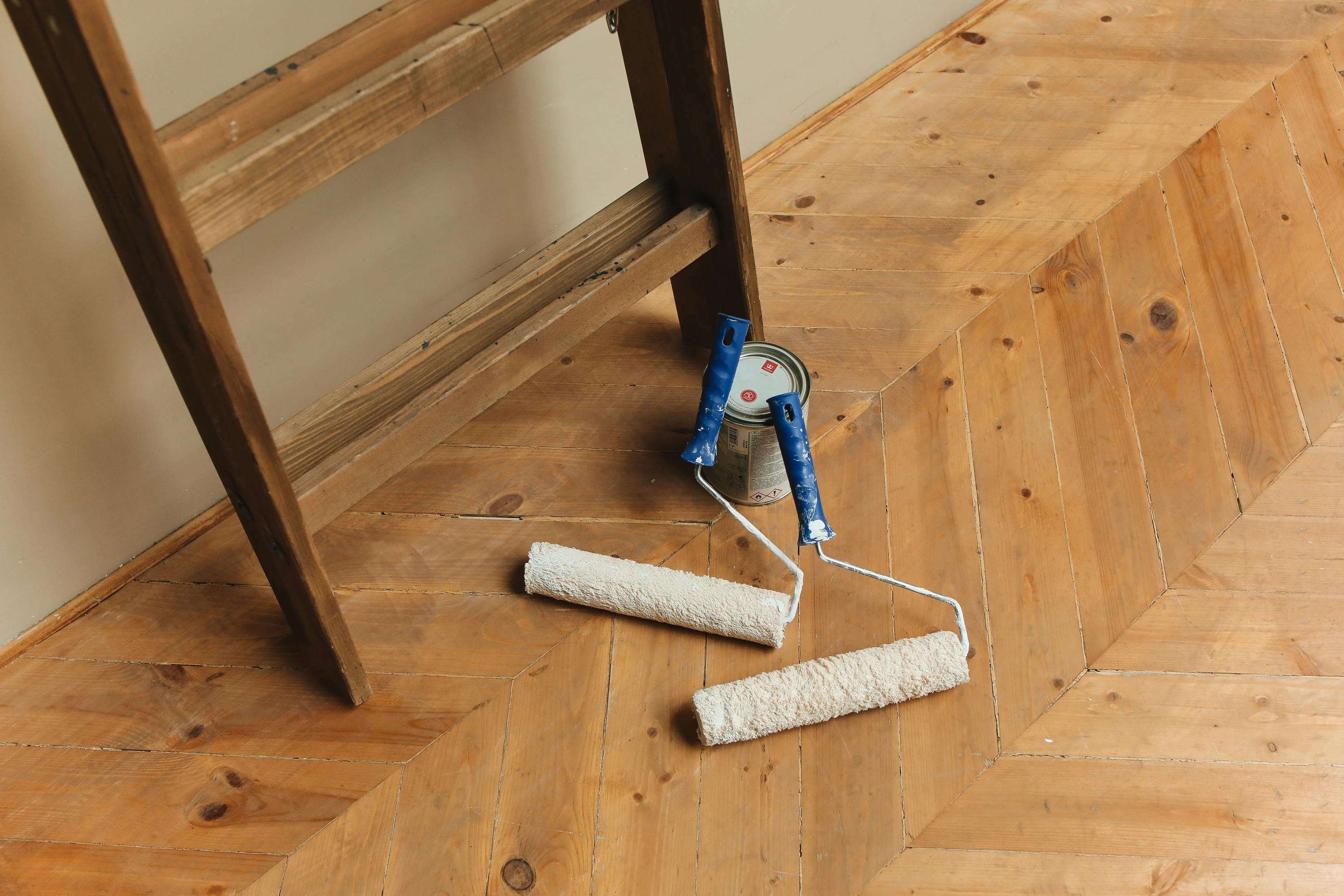
They’re mostly kidding — but the point is, when you finally take the time to repaint the doors, clean up the grout, patch the little holes, and freshen things up, your home starts to feel brand new again. You realize you’ve been living with things that quietly bothered you for years.
And here’s the fun part: most of those updates aren’t major remodels. They’re small, low-cost fixes that make a big visual difference — the kind of stuff that makes buyers feel like your home is clean, cared for, and move-in ready. So when you do some small tweaks, you get to enjoy the home even more whilst you are still there.
Remove the Negatives Before You Add the Positives
One of the biggest mistakes people make when prepping to sell is jumping straight into upgrades before fixing the obvious negatives.
You might be tempted to install new tile or add new countertops, but if you still have chipped baseboards, scuffed walls, or broken light fixtures, buyers will notice those first.
We always walk our sellers through the same process:
-
Remove the negatives first. Patch, clean, replace, or repair anything that stands out in a bad way.
-
Only then, add the positives. Once the eyesores are gone, you can decide whether any upgrades are worth the money.
Here’s the truth: most buyers eliminate homes based on what they don’t like — not what they do.
After seeing five or six homes in a day, they’ll refer to them as:
-
“The weird paint house”
-
“The old oven house”
-
“The house with the dog smell”
Not exactly the nicknames you want.
So, if your home still has that one outdated or broken thing that stands out — fix that first. It might be as simple as swapping out a 30-year-old oven or repainting the front door. Those small touches prevent buyers from zeroing in on something negative and mentally crossing your home off the list.
What’s Worth Spending Money On (and What’s Not)
Here’s where expert advice can really make a difference.
It’s easy to overthink what’s worth upgrading. I’ve seen homeowners spend thousands on something that didn’t matter to buyers — and skip a $200 repair that would’ve made a huge impact.
That’s why it’s smart to get a professional set of eyes on your home months before you plan to sell. When our team walks through a home, we can tell you:
-
Paint this, but not that.
-
Fix this, don’t bother with that.
-
Add this feature, skip that upgrade.
Sometimes the most effective improvements are free — they just take a little time and elbow grease.
See Your Home Through a Stranger’s Eyes
Here’s a fun little exercise you can do this weekend:
Take a drive around the block, park out front, and walk into your house like you’ve never seen it before. Take notes on what jumps out — good and bad. You’ll notice things you’ve stopped seeing because you live there every day.
Maybe you can as a friend to help or better yet, invite a trusted expert who doesn’t live in your home to walk through it with you. We do this all the time for our clients — and even for those who are still a year away from selling. We’ll point out what’s worth fixing, what’s not, and where your dollars will get the best return.
Planning Ahead Pays Off
If you’re thinking about selling in 2026, now is the perfect time to start preparing. The earlier you get guidance, the more time you’ll have to spread out the work, budget wisely, and actually enjoy the improvements before you move.
Our team has helped hundreds of families do this the right way — focusing on what matters most to buyers and avoiding unnecessary costs.
If you’re even considering a move next year, we’d be glad to help you create a custom prep plan for your home, just reach out to us.
:format(webp):quality(80)/u.realgeeks.media/dallashomerealty/modern-home-large-red.png)
:format(webp):quality(80)/u.realgeeks.media/dallashomerealty/map-search-black.png)