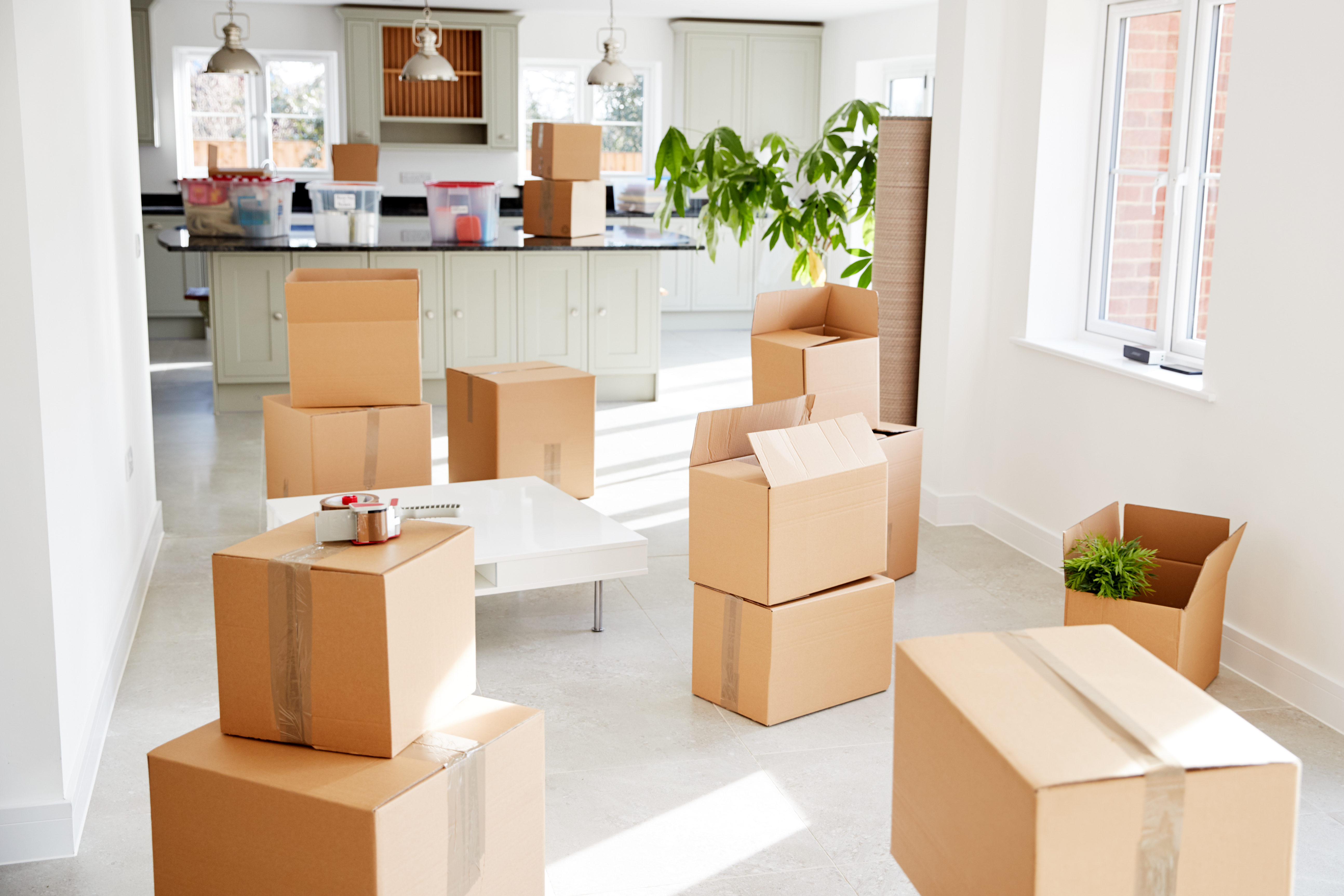
Count the moves.
Many people who sell a house and buy another one end up making two. Out of the old house and into something temporary, then out of the temporary place and into the new house a few weeks later.
We plan for one.
Here's the short answer. If you need the money from your current home to buy the next one, you can still move only once. Get your financing and your current home fully ready before you shop. Put the next home under contract with an offer that's contingent on your sale. Then sell, lease your old home back for a short stretch, close on the new one and move straight across.
I've already covered whether you can buy and sell a house at the same time in Dallas-Fort Worth and how long buying and selling at the same time takes. This one is about the move itself, for the homeowner who can't buy until the current house sells.
What Is a One-Move Strategy?
A one-move strategy means your stuff leaves the old house and arrives at the new house on the same day.
No storage unit. No pod in the driveway. No extended-stay hotel, no month at your parents' place, and no trying to time the gap with a family vacation.
That sounds obvious. It's also the first thing to go when the two transactions aren't planned together.
If you had the cash to buy the next house outright, this would be easy. You'd buy, move, and sell the empty one. Most of our clients aren't in that spot. The down payment for the next house is sitting in the walls of the current one, and it stays there until closing day.
So the sale has to come first on paper. The trick is keeping it from coming first on the moving truck.
Why Do So Many Sellers End Up Moving Twice?
They plan the contracts and forget the couch.
Closing dates get all the attention. Meanwhile, there are beds, appliances, clothes, lamps, rugs, and a garage nobody has opened since 2019. All of it has to physically go somewhere.
When the old house closes before the new one is ready, here's what you're suddenly deciding:
- Does everything go into storage or a pod?
- Is that one moving company or two?
- Where does the family sleep in the meantime?
- What does all of that cost in money and energy?
A second move means you pay for, pack for, and live through the whole thing twice. And it usually happens for one of two reasons. Either the house sold before there was anywhere to go, or somebody fell in love with a house before they were in a position to buy it.
Both are planning problems, and both can be fixed before they start.
What Order Should You Do Things In?
Prepare both sides first, then buy and sell in a tight sequence.
Slow down before you speed up. Here's the order we walk most sell-first clients through.
- Get pre-approved for more than one outcome. What you net from your sale drives your down payment, your loan amount, and your payment on the next house. So we want a plan for the expected sale price, one for a little more, and one for a little less.
- Get your current home push-button ready. It stays off the market for now. Pricing, staging, photography, marketing, and negotiation strategy are all done, so the house can go live the day you say go.
- Define the next house. Area, price point, size, non-negotiables, and automatic disqualifiers. Then start looking.
- Write a contingent offer on the right one. Your purchase depends on your sale. If your house doesn't sell, you aren't stuck buying theirs.
- Push the button. Your home goes on the market right away, with the whole team already in position.
- Close the sale, stay put, close the purchase, move. Once.
Steps one and two usually take two or three solid conversations with your agent. You don't need a year.
The details on each of those tools are in the two posts linked above. The part I want to spend time on here is number six, because that's where one move is won or lost.
How Does a Leaseback Make One Move Possible?
A leaseback lets you sell your home, collect your money, and keep living there until the next house is ready.
After closing, you no longer own the place. You're a tenant in the house you used to own. Your equity is in the bank, which is exactly what the purchase needs, and your furniture hasn't moved an inch.
How long you stay depends on the situation. It might be two days. It might be a week or two. Occasionally it's a month.
That window is what lets you close on the new house and get it ready before you have to be out of the old one. You can paint, clean, handle a repair, and change the locks. Or you can do nothing with it and just sleep better knowing you fully own the next house while you still have a roof at this one.
There are types of leasebacks we like and types we don't. Your agent on our team will go through which is which for your sale.
People also ask about the reverse, which is leasing the new house from its seller before you've bought it. We don't like that arrangement, and your agent can tell you why when you sit down together.
Should You Just Buy First With a Bridge Loan?
Usually not, though it's the right call once in a while.
A bridge loan is short-term financing that lets you buy the next house before your equity comes out of the current one. You control the timeline and both properties, and the move gets simple.
We don't love it as a default. There are situations where the terms are decent, and the risk is reasonable, and in those cases it works fine.
There are also companies that will buy the next house for you before yours sells. We don't recommend those in about 99 percent of situations.
If a one-move plan can be built with a contingency and a leaseback, that's where we start.
What If You Fall in Love With a House Too Early?
Then the preparation you did is the only thing protecting you.
I tell clients not to fall in love with a house before they can have it. Nobody listens, and I understand. So we get you to the point where falling in love is a risk you can afford to take.
Once you're fully pre-approved and your home is push-button ready, go look. Some of the houses you see won't have a seller who'll accept a contingency. Some won't fit your timeline. You may lose one.
But when the right one shows up, you can write the offer that afternoon and have your own home on the market right behind it. That's the least heartache with the most upside we know how to arrange.
The buyer who started touring before doing any of that is deciding under pressure. That's how people end up overpaying, taking less for their own house than they should, or renting a storage unit.
Frequently Asked Questions
Can I sell my house before I buy and still only move once?
Yes. A leaseback lets you close on your sale, receive your proceeds, and stay in the home for a short period while you close on the next one. Then you move directly from the old house to the new house.
What is a one-move strategy in real estate?
It's a plan that coordinates your sale, your purchase, and your moving day so your belongings go straight from your current home to your next home, with no storage, pods, or temporary housing in between.
How long can I stay in my house after I sell it?
It depends on what you negotiate with your buyer. A leaseback can be as short as a couple of days or as long as about a month.
Do I need a bridge loan to buy before my house sells?
No. An offer that's contingent on the sale of your current home can secure the next house without one. Bridge loans make sense in some situations, but we don't recommend them as the starting point.
When should I start planning a one-move sale and purchase?
Before you list and before you tour homes. Two or three solid conversations with your agent are usually enough to set up financing, get your home ready to list, and define your search.
Need to Sell Before You Buy in Dallas-Fort Worth? Let's Plan One Move.
On our team, you get a full-time specialist selling your current home and a separate full-time specialist helping you buy the next one. They work the plan together, backed by other agents and staff who each use their specific skills and gifts to serve our clients.
That matters when two transactions have to land within days of each other. Nobody is splitting attention between your listing and your search.
We guarantee to sell your home over the average price and under the average time, and the system behind that guarantee is the same one that gets your house push-button ready. If you want to get an idea of what you can sell your home for, you can get your home's value in seconds. We've also put together a free guide to buying and selling at the same time.
Moving out of a home that served your family well and into the one you've been hoping for ought to be something you celebrate.
To sell your home and buy your next one with the Todd Tramonte Home Selling Team, visit DallasHomeRealty.com or call or text 214-216-2161.