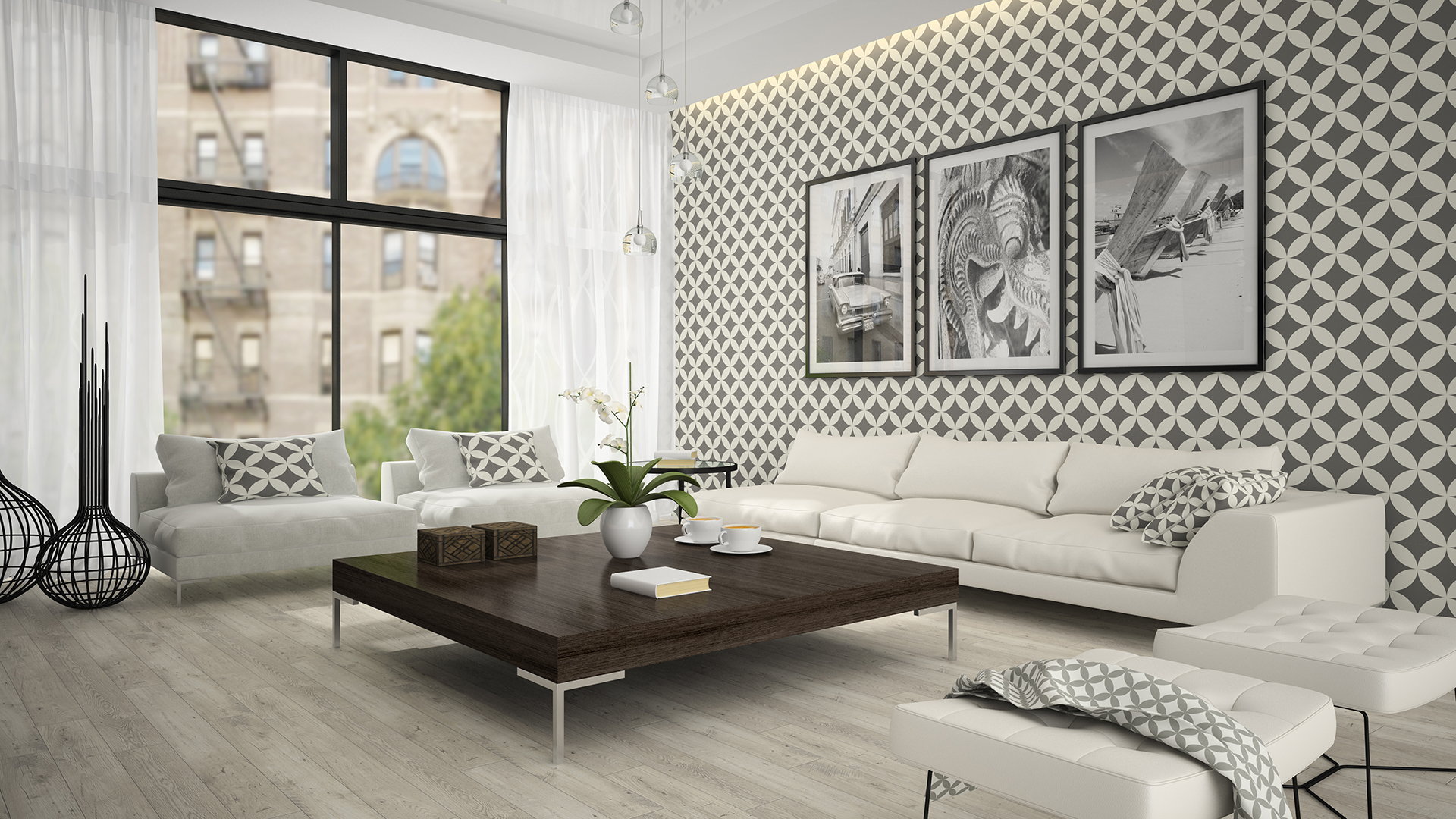
Many homeowners feel overwhelmed when it comes to upgrading their homes’ design. They see beautifully curated homes online and strive to replicate that aesthetic, often with mixed results. However, enhancing your home’s design doesn’t require a complete overhaul. Sometimes, the simplest changes can transform your space from good to great. Here are some tips based on professional design insights for making impactful yet manageable design updates to your home.
Correct Rug Sizing
One of the most common design mistakes is using a rug that’s too small for the space. Properly sized rugs can anchor a room and make it feel more cohesive. A general rule of thumb is that all major pieces of furniture in a seating area should fit on the rug. This might mean investing in a larger rug than you initially think you need, but the effect it creates—making your space look more pulled together and intentional—is worth it.
Window Treatments
Another significant aspect of interior design that homeowners often overlook is window treatments. The right curtains or blinds enhance privacy and light control and add texture, color, and a finished look to your interiors. Consider the function of each room when choosing window treatments, such as blackout curtains for bedrooms for better sleep or light and airy fabrics for living rooms to maximize natural light.
Floor Coverings
While covering up your beautiful hardwood floors may seem counterintuitive, the right floor coverings can highlight and protect your investment. Durable and visually appealing floor coverings can prevent wear in areas with high foot traffic while adding warmth and style.
Furniture Placement
The placement of furniture can dramatically affect how a room feels. For instance, pulling furniture away from walls can create a more intimate and engaging environment. This is particularly effective in larger rooms, where furniture pushed against the walls can make a space feel sparse and disconnected.
Lighting
Lighting is one of the most critical elements in any design scheme. It affects the mood and functionality of a space. Incorporating multiple light sources at different heights—like combining overhead lights with table and floor lamps—can enhance the ambiance and utility of any room.
Decorative Pillows
While they might seem like small details, decorative pillows can add color, texture, and luxury to a room. They allow for easy changes in decor with the seasons or as your style evolves. Remember to consider both aesthetics and functionality; choose fabrics and fills that complement how you use your space.
Outdoor Spaces
With more homeowners valuing their outdoor living areas, it’s essential to ensure these spaces are as thoughtfully designed as their interiors. Consider durable, stylish furniture and weather-resistant decor that reflects the style of your indoor spaces to create a cohesive flow from inside to outside.
Consult a Designer
Sometimes, the best way to ensure your home is beautifully designed is to consult with a professional. Many designers offer one-time consultations that can provide you with a blueprint for your personal aesthetic without the cost of a full-service design. They can recommend the right colors, furniture size, and layout to suit your home’s unique spaces.
The Takeaway
Improving your home’s design doesn’t necessarily mean starting from scratch. By making thoughtful, well-planned updates like these, you can significantly enhance the look and feel of your home. Whether you’re adjusting the size of your rugs, updating your window treatments, or consulting with a designer, these simple changes can make a substantial difference in your living environment, proving that great design is within reach.
Design tips courtesy of Kati Walker with Tenth House Designs.
:format(webp):quality(80)/u.realgeeks.media/dallashomerealty/modern-home-large-red.png)
:format(webp):quality(80)/u.realgeeks.media/dallashomerealty/map-search-black.png)